
College is one of the biggest investments of a lifetime. We help make sure it pays off for students and taxpayers.
The HEA Group is a research and policy organization dedicated to improving the value of higher education and increasing economic mobility. Our latest research →
NEW REPORT · AUGUST 2026
What Your Major Is Worth in California
276,963 graduates
2,958 programs
386 institutions
38,000+
college programs in our earnings accountability analysis
462,000+
graduates in our Certificate Earnings Explorer
50 + DC
states covered by our national data tools
100%
of our data free and accessible to the public
WHO WE ARE
Independent evidence on what college delivers.
We are a nonpartisan research and policy organization founded in 2023 by Michael Itzkowitz, former Director of the U.S. Department of Education’s College Scorecard. Learn about our story and team.

Research
Rigorous analysis of whether students graduate, what they earn, and whether they are able to pay down their loans.

Data tools
Interactive explorers that let anyone compare outcomes across thousands of institutions and programs.

Policy
Evidence-based standards that promote college value and ensure an effective and efficient use of taxpayer dollars.

Open data
Every dataset we produce is public and free to download.
THE ISSUE
Most associate’s and bachelor’s degree programs increase earnings. A small share leave students worse off.
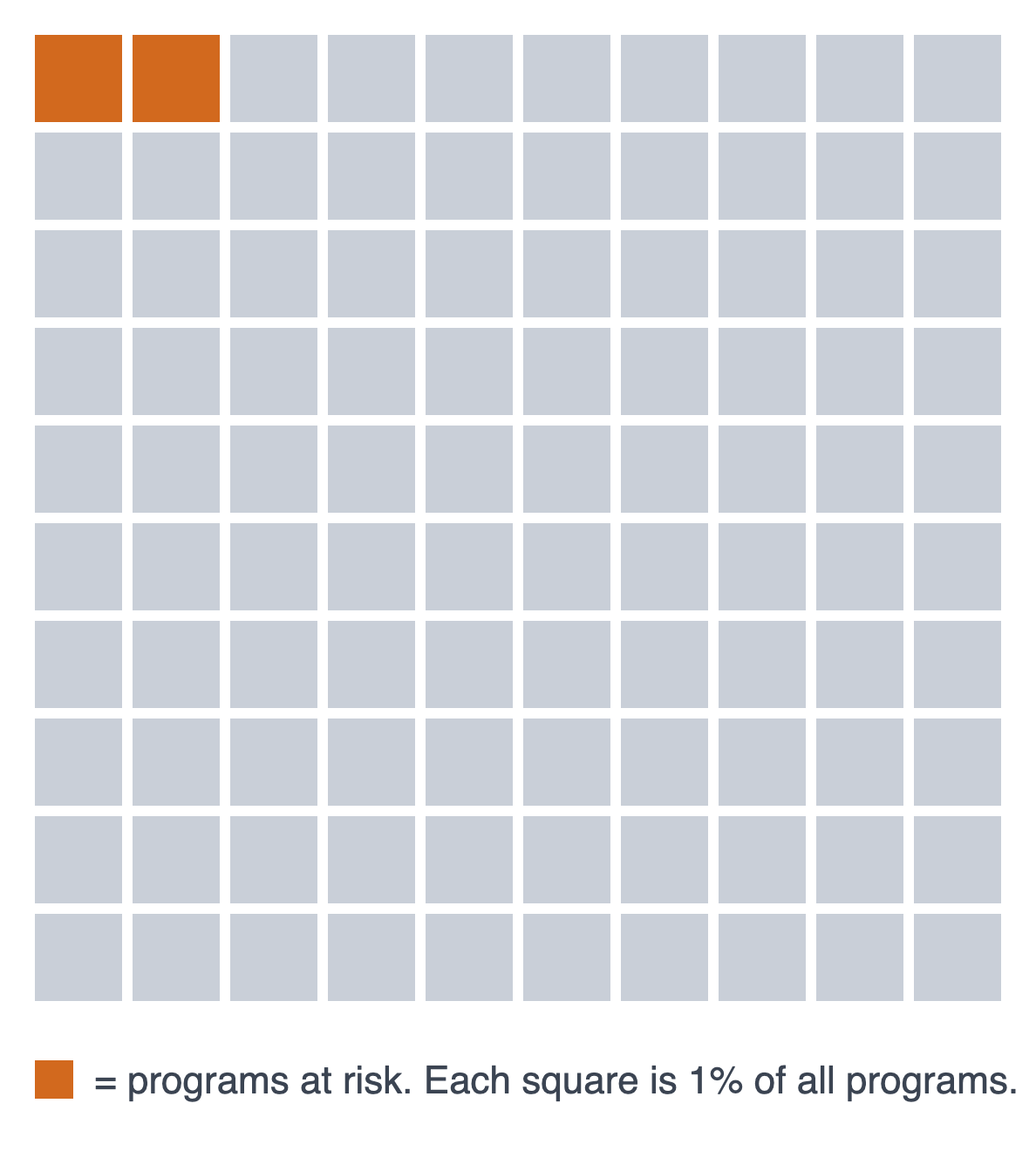
2%
of 32,578 undergraduate programs are at risk of failing the new federal earnings test.
DATA TOOLS
Explore the evidence yourself.
Free, interactive tools built using federal and statewide data. Browse all data downloads →
Certificate Earnings Explorer
Search and compare earnings for 5,592 certificate programs in all 50 states and DC.
Do No Harm Earnings Test
See which programs meet the federal earnings standard that took effect July 1, 2026.
California Mobility Index
How 82 four-year colleges drive upward mobility for underserved students.
What Your Major Is Worth in California
Earnings for 2,958 programs across 386 California institutions.
TAKE ACTION
Find what you need.
Resources organized for the people who use our work most.


Institutional leaders
Benchmarks to strengthen program outcomes and ROI.

Researchers
Open, documented datasets, free to download.

FEATURED IN
The New York Times · The Wall Street Journal · The Washington Post · NPR · CBS News · Los Angeles Times · Politico · Inside Higher Ed
PARTNERS
ECMC Foundation · College Futures Foundation · Public Agenda · NASFAA · Student Defense · Open Campus · Ascendium